
In Harmony
An emotional narrative puzzle experience, created as a final Capstone project.
2024-25
Official Trailer
Game Overview
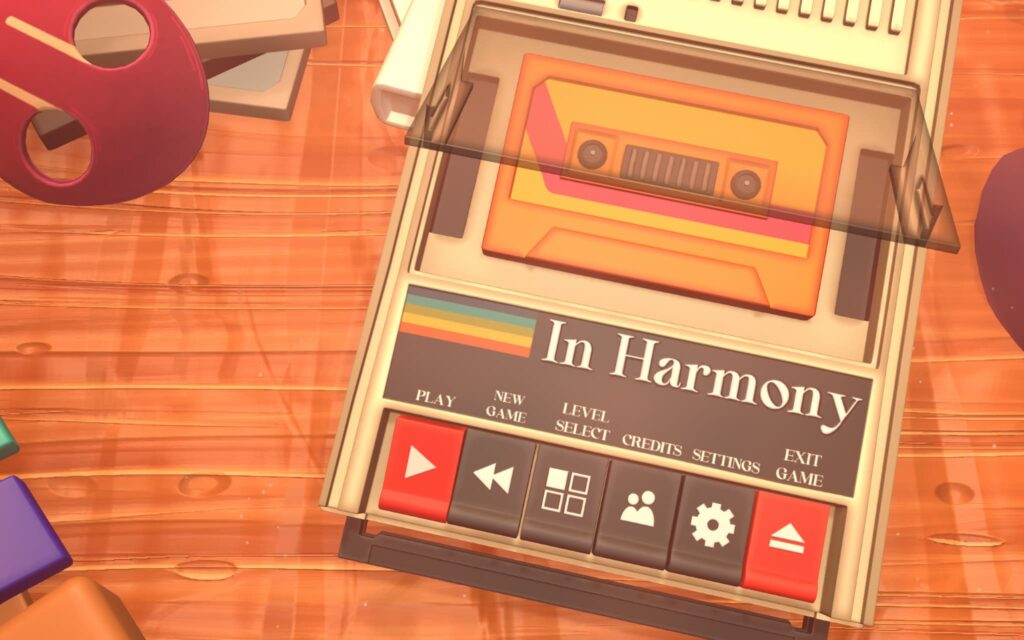
Explore your past memories recorded on cassettes, and collect the notes of forgotten melodies as you advance through the world of “In Harmony,” a grid-based puzzle game with musically inspired elements. Intuit your way through satisfying puzzles as you put yourself into the shoes of a single mother. Uncover a rich, bittersweet story of the mother, her son, and the high and low notes of their relationship.
In Harmony was my senior capstone project at Bradley university. I worked as one of two producers on a team of ~30 people and was the lead of the story team, coordinating and directing our efforts to build the emotional story of the game. Featuring fully voiced cutscenes, 5 distinct chapters, and a plethora of details to be uncovered, the story of In Harmony was an ambitious challenge for a student project.
Team Size:
30+
Platform:
Windows
Development Platform:
Unity
Project Duration:
9 months
Storytelling Methods
Because In Harmony’s story explores impactful and sensitive topics that many players may relate to, it was especially important to ensure the story was represented delicately, while also being carefully tied to the game’s mechanics. In Harmony expresses its story in three primary ways:
NPC Dialogue
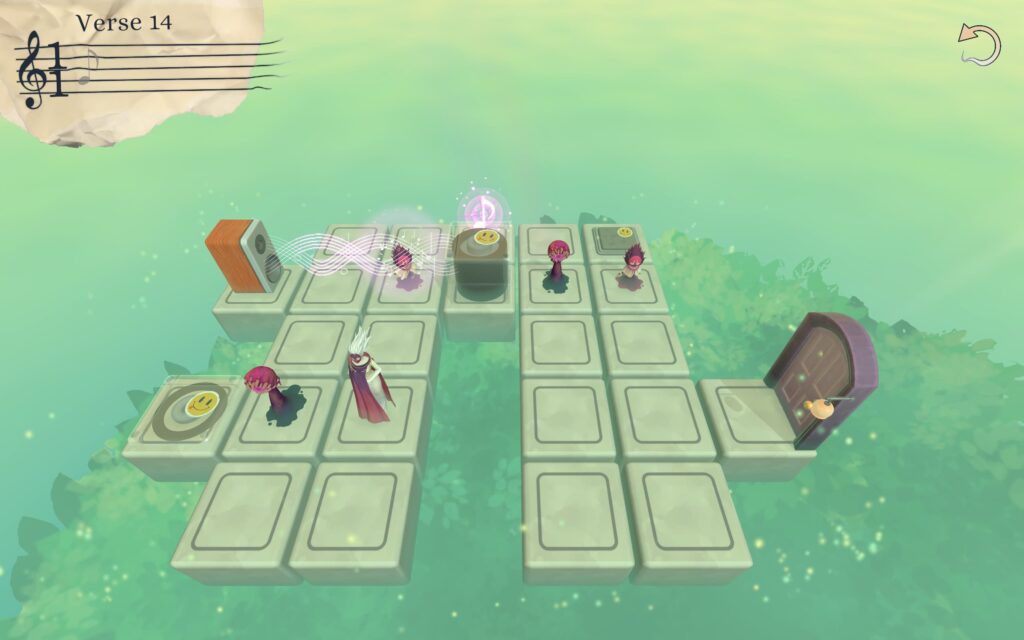
Between the ordinary puzzles, the player will encounter Intermission puzzles, where the player will speak with dreamlike representations of the mother and her son. Intermissions provide direct narration of the characters’ thoughts, as well as abstract representations of current story events through the use of the puzzle mechanics.
Cutscenes
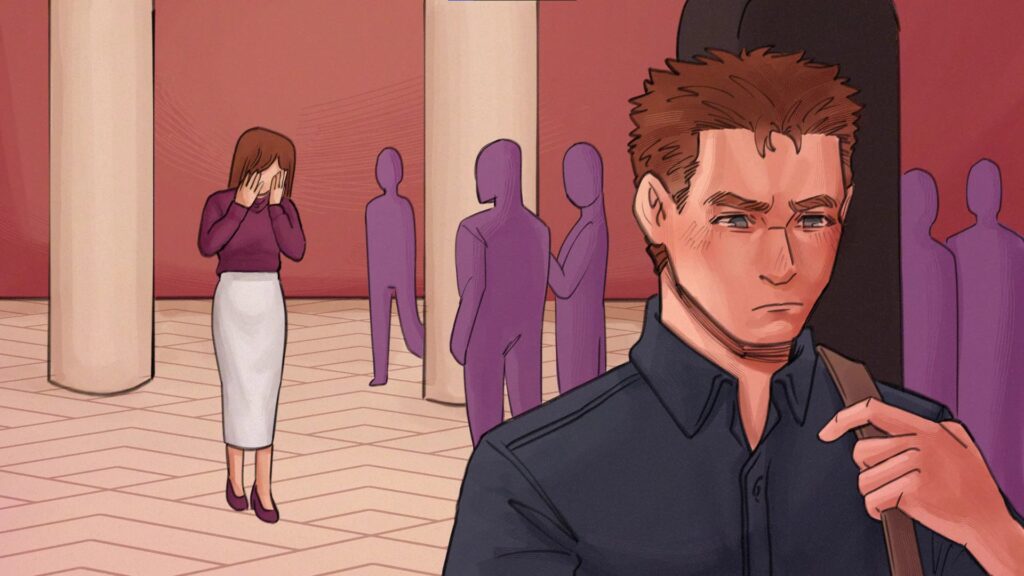
At the end of each Chapter and after completing each Intermission, the player will view an animatic cutscene. From the eyes of the mother, experience the growth and decay of her relationship with her son, and relive the memories of their past.
Collectable Items
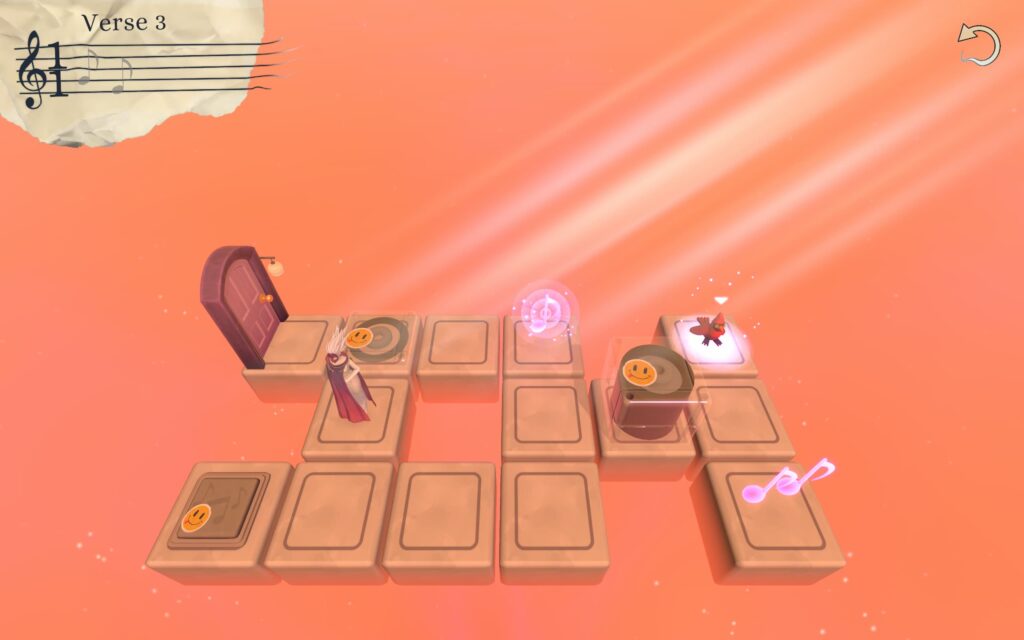
The player may find collectable items scattered throughout the standard puzzles. Collect each one to learn about the item’s past, and piece together the details of the mother’s life.
Story Producer
In my role as a producer and the lead of the story team, my responsibilities were both managerial and creative. I worked with both the other project leads to manage the overall scope of the game, as well as the individual contributors on the story team to direct the specific details.
Following a slow start on the narrative front during the first semester, I was placed as the Story Producer going into the second half of the project. Because of my leadership and creative management experience, the story team was able to pull it back and produce an impressive quality of work in the second semester.
✎ Creative Leadership
Within the story team, I was the arbiter of narrative decisions throughout the project. My responsibility was to keep the game’s story in line with the core pillars we had defined. It was crucial to make sure the story being told was realistic, appropriate, and respectful. I led conversations about major story beats and guided storyboarding sessions. I held dedicated script editing sessions, assisting with the writing and revision process. As well, I spearheaded our cutscene video editing to make sure our voice acting, subtitles, and visuals were properly synced.
☲ Narrative Cohesion
My job was not only to ensure our storytelling methods were within scope and cohesive amongst each other, but also to facilitate communications between the story team and the rest of the functional teams. I worked closely with our visual artists, sound designers, and puzzle makers to ensure that everything throughout the game is relevant to the underlying story, from the environment to the animations to the utilization of mechanics.
✧ Project Management
Using Jira and Google Sheets, I was at the forefront of task tracking for the entire team. I monitored all of the task cards to ensure that each IC was focusing their efforts towards the right goal. Managing sprints, tracking work time for each contributor, and checking in when things stagnated were all under my purview. I also worked frequently with the project lead to manage the story’s scope in terms of length, presentation methods, and resources available to achieve our goals. As well, I outlined proper Jira usage for the team, maintained relevant documents, and ensured every member of the team knew how to effectively use their tools.
This is a JIRA standards document I wrote to teach the team how to manage and report tickets!
This is a spreadsheet I made to track the production of our hand-drawn cinematics.
Key Takeaways
Large Team Management
The team behind In Harmony is the largest that I have worked with to date, and as such, I had a lot of learning to do going into the project. With so many cooks in the kitchen, it was a difficult task to keep everything in order and running smoothly. This project has shown me the importance of being prepared, defining workflows, and keeping everyone accountable for their own work. I learned from this project more than any other before that one of the most important parts of my job as a producer is to help each individual be self-sufficient with their work, and to help them thrive in doing so. Creating solid pipelines and emphasising an agile work process was key producing a high quality narrative in a relatively short timeframe.
Communicate, Communicate, Communicate!
With so many moving parts that had to work together in order to create a truly touching story, proper communication between different teams was crucial. Between script writing, cutscene rendering, puzzle design, and voice acting, I once again learned the importance of keeping everyone informed and up to date with the most accurate information at all times.
Contact Me
Let’s talk about how I can help your team create their best!